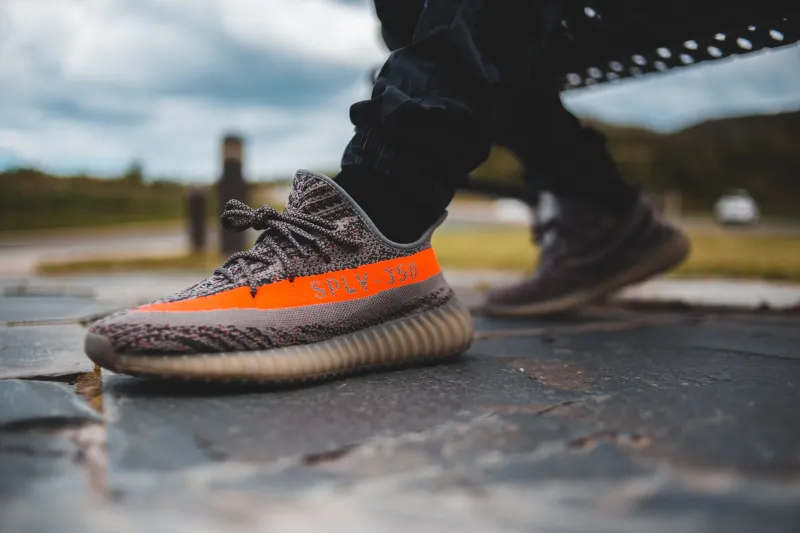
How the Yeezy 350 Blew the Doors Off Sneaker Culture's Velvet Rope
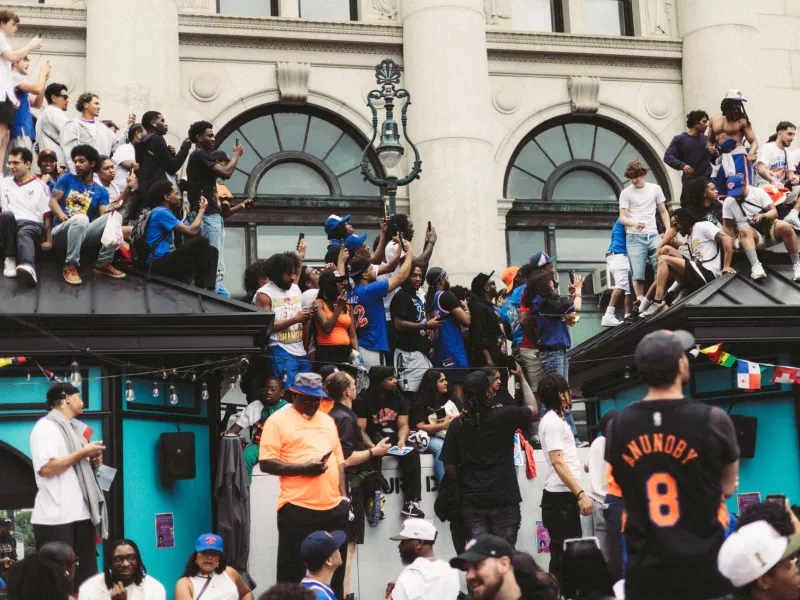
There was a time — not that long ago — when getting into serious sneaker collecting meant knowing the right people. You needed to be plugged into the right forums, have the right connections at the right boutiques, and honestly? Look the part. Sneaker culture in the pre-Yeezy era had an unspoken hierarchy, and if you didn't grow up inside it, breaking in felt nearly impossible.
Then, in June 2015, the Adidas Yeezy Boost 350 dropped. And nothing was quite the same after that.
The Old Guard: What Sneaker Culture Looked Like Before 2015
To understand what the 350 actually changed, you have to understand what it replaced. Through the 2000s and into the early 2010s, the sneaker world revolved almost entirely around Nike and Jordan Brand. Limited Air Jordans, exclusive Nike SBs, and the occasional New Balance collab defined what it meant to be "in the know." The gatekeeping was real — and it was layered.
First, there was geography. If you didn't live near a Concepts, a Kith, or a handful of other boutique retailers scattered across major cities, you were already behind. Then came the connections — knowing a store manager, being on a call list, or having a plug who could hold a pair. Online raffles were still relatively new, and bots hadn't yet completely broken the system. The whole ecosystem rewarded insiders.
The culture also skewed heavily toward a specific demographic: young men, predominantly from urban communities, who had grown up with basketball as the primary lens through which sneakers were understood. That wasn't a bad thing — it was authentic. But it did mean that anyone who didn't fit that profile often felt like they were watching the party from outside the window.
The 350 Walks In and Doesn't Care About Any of That
When Kanye West and Adidas introduced the Yeezy Boost 350, the design itself sent a message. This wasn't a high-top basketball silhouette. It wasn't a chunky runner built for nostalgia. It was low-profile, neutral-toned, and built on Boost cushioning technology that prioritized feel as much as aesthetics. The Turtle Dove and Oxford Tan colorways weren't loud. They were almost deliberately quiet — and that quietness was radical.
For people who loved fashion but had never connected with the Jordan 1 or the Air Max 90 as cultural objects, the 350 was a way in. Stylists, streetwear fans, music industry types, and fashion-forward women who had largely been ignored by sneaker brands suddenly had a shoe they could build an outfit around. The silhouette worked with tailored trousers just as easily as it did with sweats.
And critically — at least in the beginning — the retail price wasn't completely out of reach. Early pairs retailed around $200, which wasn't cheap, but it wasn't the $400-plus territory that would have immediately locked out casual fans. The barrier to entry, while still real, was lower than what serious limited sneakers had traditionally demanded.
Mainstream Adoption and the Ripple Effect
What happened next is something the sneaker industry didn't fully anticipate. The 350 didn't just attract a new audience — it created one. People who had never camped outside a store, never refreshed a SNKRS app, never argued about deadstock condition suddenly found themselves doing all of those things. The learning curve was steep, but the motivation was there because the shoe felt genuinely worth chasing.
Social media accelerated everything. Instagram in particular turned the Yeezy 350 into a visual phenomenon. Influencers across fashion, music, and lifestyle content wore them constantly. The shoe appeared on red carpets and in music videos. It showed up in college campuses in the Midwest right alongside boutiques in SoHo. The geographic gatekeeping that had defined limited sneakers for years started to crack.
Adidas, sensing the momentum, began expanding production runs on certain colorways — a decision that drew criticism from hardcore collectors but simultaneously let more people participate. The Beluga 2.0, the Cream White, the Zebra — these weren't produced in the razor-thin quantities of the earliest pairs. Whether that was the right call is still debated, but it did mean that a kid in suburban Ohio or rural Texas could actually get a pair without knowing a boutique owner personally.
How the 350 Forced Other Brands to Rethink Everything
Here's where the story gets interesting from a broader industry perspective. The Yeezy 350's success didn't just benefit Adidas — it sent a shockwave through the entire sneaker business.
Nike, which had dominated the limited sneaker space for years, suddenly had real competition for cultural relevance. The SNKRS app, which Nike had launched partly to manage demand for limited releases, became more aggressive in how it handled drops — adding raffles, exclusive windows, and location-based access. The urgency was at least partially a response to Adidas eating into their cultural market share.
Luxury fashion houses took notice too. Before the Yeezy era, high-end fashion brands had largely treated sneakers as an afterthought or a licensing opportunity. After watching the 350 generate hundreds of millions in revenue while simultaneously commanding serious cultural cachet, labels like Balenciaga, Gucci, and Dior started treating sneakers as legitimate centerpieces of their collections. The Triple S, the Track, the B23 — all of these owe some debt to the proof of concept the 350 provided.
Retail strategy changed as well. The raffle model, the online exclusive drop, the surprise regional release — these tactics became standard industry practice as brands tried to replicate the frenzy that Yeezy drops had normalized. Even traditional retailers like Foot Locker and Finish Line had to rethink how they communicated with customers around limited product.
The Democratization Was Never Perfect — But It Was Real
It would be naive to say the 350 created some sneaker utopia where everyone had equal access. Resale markets immediately swallowed pairs and flipped them at two or three times retail. Bots got smarter. The same inequalities that plague any limited-release product showed up here too.
But the cultural shift was undeniable. The 350 expanded the definition of who a sneakerhead could be. It gave permission to people who didn't fit the traditional mold to care deeply about a shoe — to research it, save for it, style it, and collect it. It made sneaker culture feel less like a secret society and more like something anyone could find their way into.
For the community here at Yeezy 350 Hub, that's not just history — it's the whole reason this community exists. The 350 didn't just change what people wore. It changed who got to be part of the conversation.
And honestly? That might be its most lasting legacy.