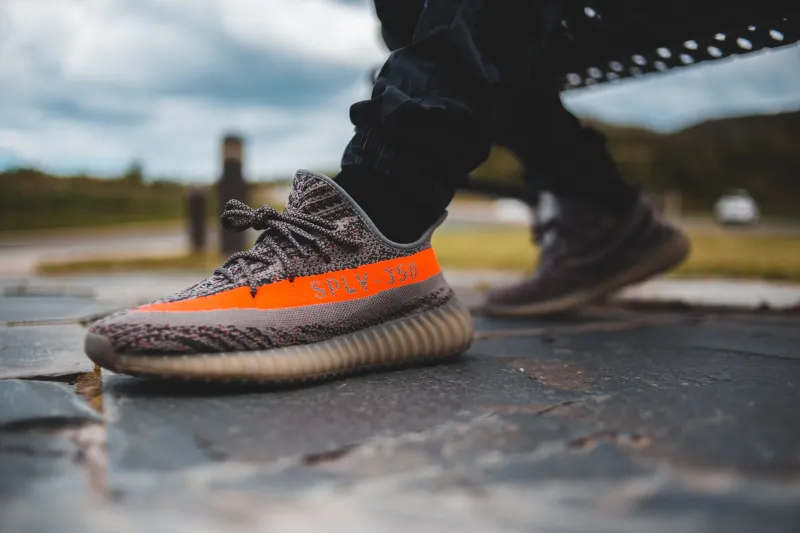
Why Some Yeezy 350s Age Like Fine Wine (And Others Fall Apart): A Material Science Breakdown
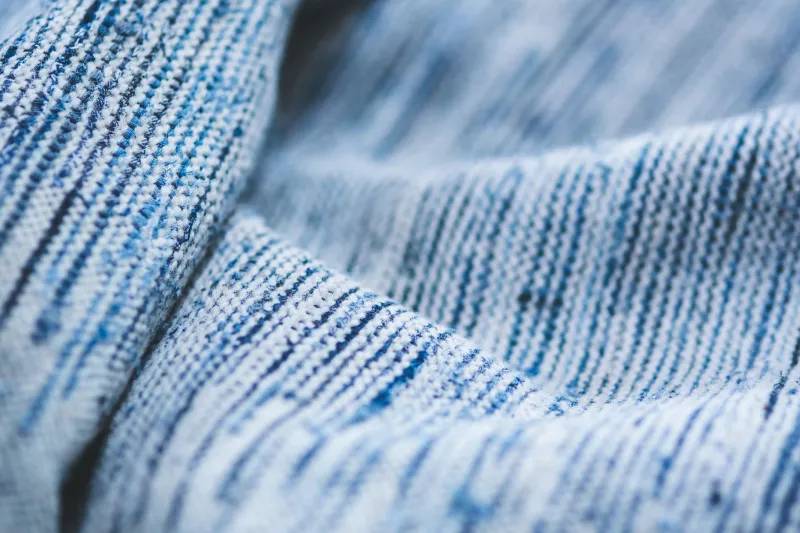
You've probably noticed it without being able to name it. You pull two pairs of Yeezy 350s out of their boxes — maybe a Zebra and a Beluga 2.0 — and they just feel different. The knit has a different texture under your fingers. The Boost responds differently when you press into it. One pair looks pristine after two years of light rotation; the other is already showing stress lines around the toe box after barely being worn.
That's not coincidence. That's material science.
Adidas has never been fully transparent about the specific formulations used across 350 colorways, but between footwear engineers, material analysts, and the collective forensic obsession of the sneaker community, a pretty detailed picture has emerged. Here's what the data — and the people who study this stuff for a living — actually tell us.
Primeknit Isn't One Thing — It's a Family of Materials
The word "Primeknit" gets thrown around like it describes a single fabric, but it's closer to a category. Adidas uses different yarn weights, weave densities, and fiber blends depending on the colorway and the production run year.
Early 350 V1 releases — think Turtle Dove and Pirate Black — used a relatively open, breathable weave that gave the shoe its distinctive soft, sock-like feel. The trade-off? That openness means less structural resistance. Collectors who've worn their V1s regularly often report the knit loosening or pilling around the midfoot within a year of consistent use.
The V2 generation tightened things up considerably. The Primeknit on colorways like Cream White and Sesame features a denser, more reinforced construction, particularly around the heel and lateral wall. This isn't just aesthetic — denser yarn packing means more resistance to abrasion and slower breakdown of the fiber structure. It's one reason V2s tend to hold their shape longer on the shelf and on-foot.
What's interesting is that even within the V2 lineup, there are variations. The Reflective series — colorways like Static Reflective and Yecheil Reflective — incorporates retroreflective thread woven directly into the upper. That thread is slightly stiffer than standard Primeknit yarn, which changes the flex pattern of the shoe and can create subtle stress points at the knit seams over time if the shoe is worn aggressively.
The Boost Equation: Not All Cushioning Ages Equally
Boost is the other half of the equation, and it's where things get really interesting for long-term collectors.
Boost is thermoplastic polyurethane (TPU) — expanded and fused into that distinctive pellet structure. The problem is that TPU is susceptible to oxidation and UV degradation over time. You've probably seen older pairs where the Boost midsole has gone from bright white to a yellowed, almost cream tone. That's not just cosmetic — the material is literally changing at a molecular level, losing some of its elasticity and energy return in the process.
Here's the collector-relevant twist: colorways with tinted or non-white Boost — like the Clay and Synth releases — tend to show this oxidation less visibly, even though the underlying degradation process is similar. Light-Boost colorways like Cream White and Static are particularly unforgiving because the yellowing is immediately obvious against that near-white midsole.
Storage conditions accelerate or slow this process dramatically. Boost kept in a dark, temperature-stable environment (ideally 60–70°F, low humidity) will hold its structure significantly longer than pairs stored in a garage or near a window. Some collectors have started using UV-blocking display cases specifically because of this — not just to protect the knit, but to slow Boost oxidation on their lighter colorways.
Outsole Compounds and the Gum-Sole Debate
The rubber outsole on Yeezy 350s is another area where material choices vary more than most people realize. Standard black outsoles use a carbon rubber compound that's highly durable — it's the same basic approach used across most of Adidas's performance running line. These hold up extremely well under regular wear and don't show much degradation on the shelf.
Gum-sole variants — like the Yecheil non-reflective or certain regional exclusives — use a translucent rubber compound that's softer and more prone to picking up surface staining. They look incredible fresh, but collectors who've worn them outdoors know how quickly a gum sole can go from crystal clear to permanently scuffed. If you're buying gum-sole 350s as a long-term hold, the outsole condition is going to be a significant factor in resale grading down the road.
Heat, Glue, and the Delamination Problem
One issue that doesn't get discussed enough in collector circles is adhesive degradation. The bond between the Primeknit upper and the Boost midsole relies on heat-activated adhesive applied during manufacturing. Over time — especially with temperature fluctuations — that bond can weaken.
This is more common in earlier production runs, where quality control on adhesive application was less consistent. Collectors who've bought deadstock V1s from 2015 and 2016 have occasionally reported the upper beginning to separate from the midsole even on unworn pairs. It's not universal, but it's real.
The fix, if you catch it early, is relatively straightforward — a thin application of Barge cement or a similar contact adhesive, applied carefully along the welt. But prevention is better: keeping shoes in stable temperature environments (not freezing, not hot) dramatically reduces the stress on those adhesive bonds.
What This Actually Means for Your Collection
So what do you do with all of this? A few practical takeaways:
If you're buying to wear, V2 Primeknit colorways with darker or tinted Boost are your most durable options. The denser knit handles repeated flex better, and the tinted midsole will show less age over time.
If you're buying to hold, light-Boost colorways need UV protection as a priority — not just dust bags. Invest in proper display cases or at minimum keep them away from any natural light source.
If you're evaluating older deadstock, check the adhesive bond along the midsole perimeter before you pay a premium. A little flex test on the toe box will tell you quickly if the glue has started letting go.
If you're collecting reflective variants, be aware that the retroreflective thread adds slight rigidity — these pairs are better suited to light rotation or display than heavy daily wear.
The Yeezy 350 is a genuinely well-engineered shoe, but "well-engineered" doesn't mean "invincible." Understanding what's actually inside these pairs — what the knit is doing, what the Boost is doing, where the weak points are — makes you a sharper buyer, a better curator, and someone who's a lot less likely to open a box five years from now and find something you didn't expect.
That's what separates a collector from someone who just owns a bunch of sneakers.