Not All 350s Feel the Same On-Foot: The Honest Truth About Yeezy Comfort
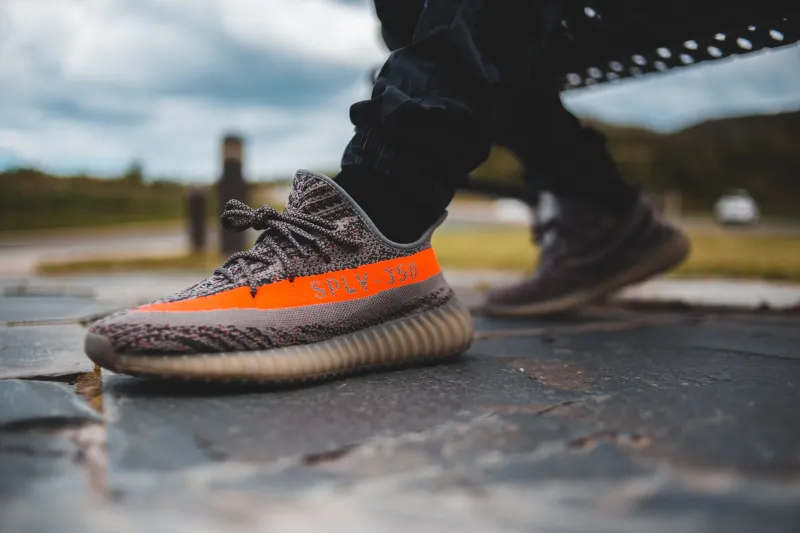
Ask any sneakerhead what makes the Yeezy 350 special and "comfort" is almost always in the top three answers. The Boost cushioning, the flexible Primeknit upper, the low-profile silhouette — on paper, it sounds like the perfect everyday shoe. But spend enough time in collector circles and you start hearing stories that don't quite line up with the hype. Blisters. Hot spots. That weird pressure point right along the lateral side. The "break-in tax" that nobody posts about on Instagram.
So what's actually going on? We dug into the real on-foot experiences of Yeezy 350 wearers across multiple generations to find out whether the comfort crown is deserved — or whether it's one of the sneaker world's most persistent myths.
The V1 vs. V2 Divide Nobody Talks About Enough
If you've only worn V2s, you might genuinely have no idea what V1 owners went through. The original Yeezy Boost 350 — the Turtle Dove, the Pirate Black, the Oxford Tan — had a noticeably different fit profile. The upper was thinner, the toe box felt more compressed, and the lack of the translucent side stripe meant the structure behaved differently under foot pressure.
Marcus T., a collector based in Atlanta with over 40 pairs in rotation, put it bluntly: "My V1 Turtle Doves felt like wearing a tight sock over a cloud for the first two weeks. The cloud part was real. But so was the tight sock."
The V2 redesign addressed some of this — wider toe box, slightly more structured heel cup, updated Boost density — but it introduced its own quirks. Specifically, the heel pull tab area on early V2 releases caused noticeable rubbing for collectors with narrower heels. It's a small thing, but on a long day of walking, small things add up fast.
Sizing: The Hidden Variable That Changes Everything
Here's something the resale market doesn't always factor in: a pair that fits perfectly is going to feel dramatically more comfortable than one you sized wrong. And with Yeezy 350s, the sizing conversation is genuinely complicated.
The general guidance — go half a size up — holds true for a lot of people. But "a lot" isn't "everyone." Collectors with wider feet often need a full size up. Those with narrow feet sometimes find that half-size jump creates too much lateral movement, which causes its own set of friction issues.
Jayla R., who runs a small resell operation out of Chicago, says she's seen this play out repeatedly with buyers: "I always ask people their foot width before recommending a size. The number of times someone's told me a pair was uncomfortable, and it turned out they just sized wrong — it's a lot. The shoe gets blamed when really it was the fit."
The takeaway here isn't complicated, but it's easy to overlook when you're focused on copping a grail: comfort starts at sizing, and sizing the Yeezy 350 is not one-size-fits-all advice.
Colorway Constructions Aren't Always Identical
This one surprises people. You'd think a Zebra and a Bred would feel the same — same silhouette, same basic construction, right? Not exactly. Different production runs, different Primeknit yarn batches, and even regional manufacturing differences can create subtle variations in how the upper conforms to your foot.
Collectors who've worn multiple colorways back to back often report that some feel slightly stiffer out of the box, while others feel almost pre-broken-in from the first wear. The Cream White, for example, has a reputation in collector communities for a notably softer upper feel compared to some of the darker colorways, which can run slightly denser in the knit construction.
None of this is officially documented by Adidas, so most of what we know comes from community experience. But it's worth keeping in mind, especially if you're buying a colorway specifically because you plan to wear it regularly.
The Break-In Reality: How Long Are We Actually Talking?
Most seasoned 350 wearers agree: there's a break-in period, and skipping it is a mistake. The Primeknit needs time to mold to your foot's specific shape, and the Boost midsole benefits from a few wears before it reaches its full cushioning responsiveness.
Typically, collectors report that the sweet spot hits somewhere between the third and sixth wear. Before that, you might notice stiffness around the heel collar, slight tightness across the midfoot, or that the insole hasn't quite settled into position. After that window, most people find the shoe becomes noticeably more comfortable — sometimes dramatically so.
The catch? If you're trying to preserve resale value, those first few wears need to be managed carefully. Creasing, sole browning, and upper distortion can all start happening in that break-in window. A few practical moves help here: wearing them indoors first on clean floors, using shoe trees between wears to maintain shape, and avoiding anything abrasive during the early rotation.
When Your Grails Genuinely Don't Work For Your Feet
Sometimes the honest answer is that a specific pair just isn't going to be comfortable for you, no matter what you do. Foot shape, arch type, and gait all play a role in how any shoe performs, and the Yeezy 350 — for all its strengths — doesn't have the arch support infrastructure that dedicated athletic shoes offer.
For collectors who pronate heavily or have high arches, aftermarket insoles can be a game changer. Several in the community swear by thin orthotic inserts that don't affect the fit profile too dramatically. The key is finding something low-profile enough that it doesn't create a new set of pressure issues.
Derek M., a collector and part-time reseller in Los Angeles, made the call to keep his most valuable pairs as display pieces rather than wearers: "I realized I was forcing myself to wear shoes that hurt me because I felt like I had to justify owning them. Now my grails stay on the shelf and I rotate through my beaters. Honestly, I enjoy both more that way."
The Bottom Line on 350 Comfort
The Yeezy 350 is genuinely comfortable — for a lot of people, in a lot of situations. The Boost cushioning is real, the Primeknit flexibility is real, and after a proper break-in, most wearers find a pair they love.
But the blanket statement that all 350s feel the same, or that comfort is guaranteed regardless of sizing and foot type, does the community a disservice. Generation matters. Colorway construction matters. Sizing matters more than almost anything else.
Before you commit to wearing your next grail into the ground, give it the break-in respect it deserves — and be honest with yourself about whether the fit is actually right for your foot. Your collection, your resale value, and your feet will thank you.